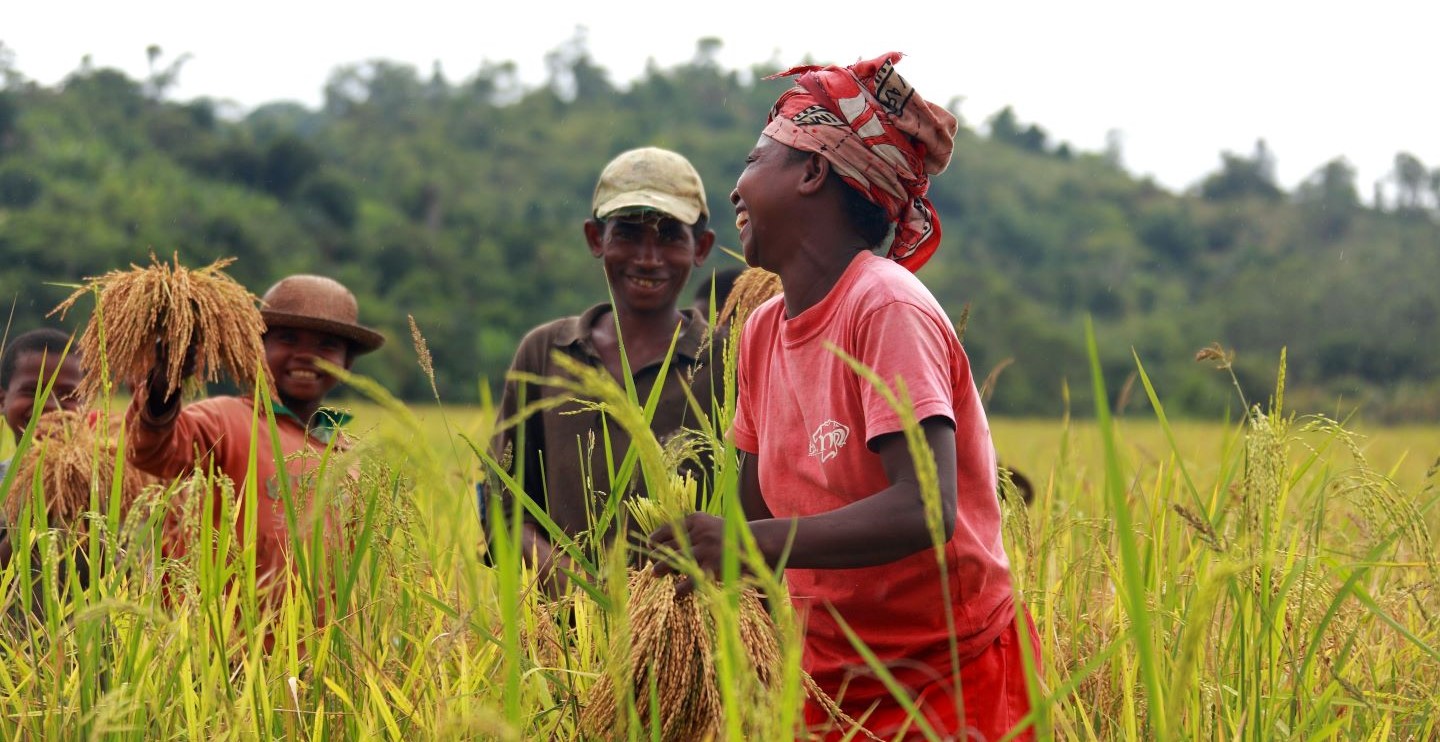
In early November, top experts from around the world will meet in Glasgow for COP26, the biggest climate change conference since the Paris Accords. We caught up with climate scientist and LKDT Associate Experts to ask them what COP26 is all about and what she hopes will emerge from it.
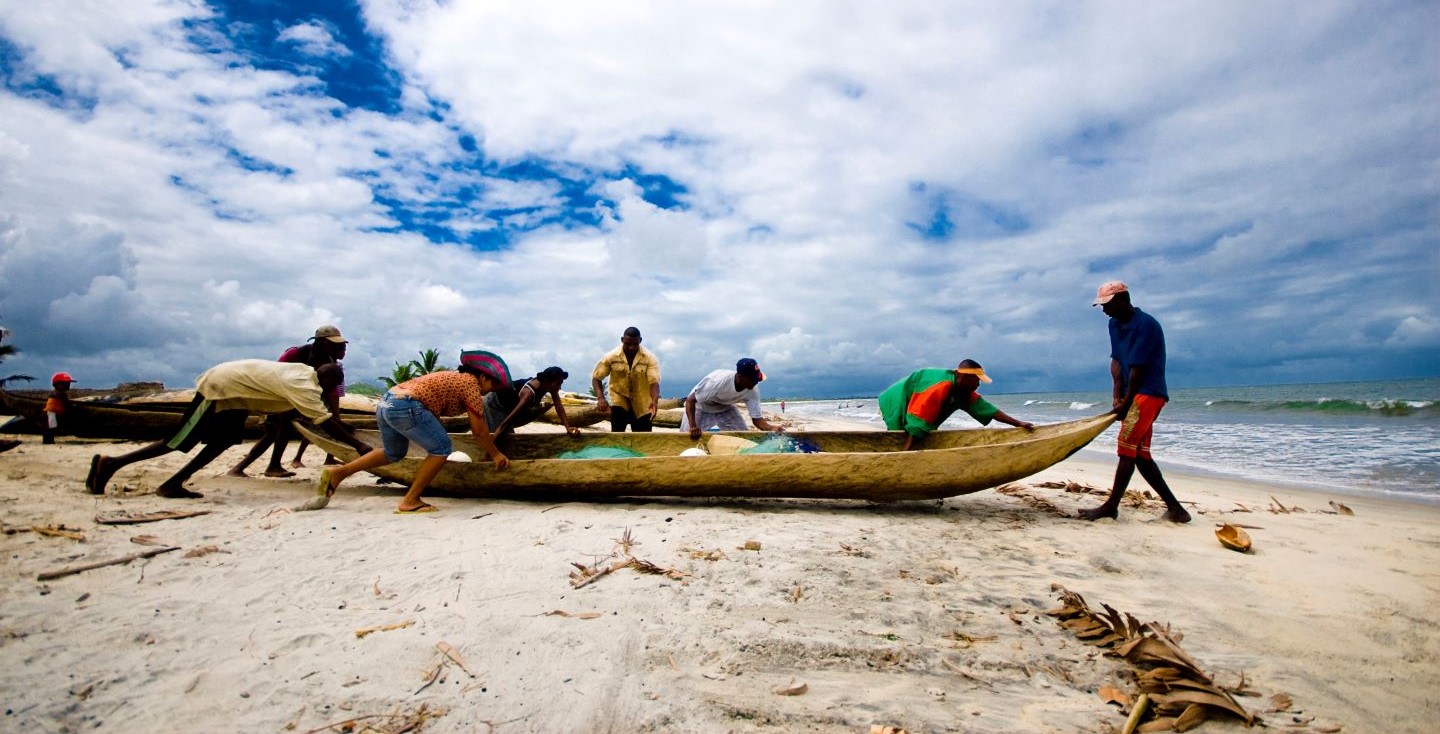
The fisheries and aquaculture sectors fully or partially support the livelihoods of 10–12 per cent of the world’s population. Yet fisheries across the world are under threat from climate change and over-exploitation. The question of how best to manage fisheries under these conditions is a complex one, but in our experience, bringing communities into inclusive governance structures is an indispensable part of the solution.
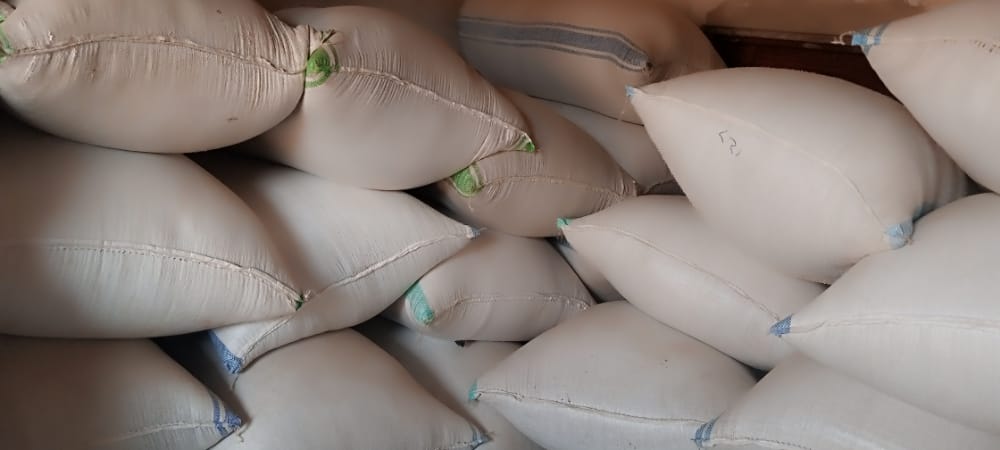
Reducing food losses makes food systems more sustainable. Although the exact causes are different for every crop and in every country, there are plenty of avenues to prevent, detect, and reverse these losses.
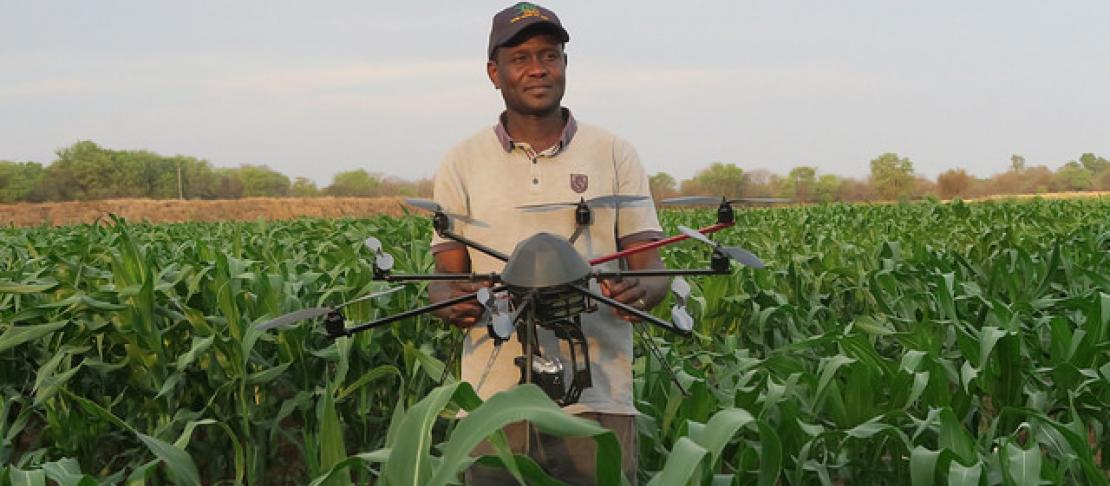
Farmers and agribusinesses across Uganda are increasingly making use of new digital technologies. LKDT together with associated experts have recently released a report exploring how these technologies are reshaping the region’s agriculture and how LKDT’s investments can accelerate the adoption of these technologies.
The COVID-19 pandemic has made it clearer than ever that human health is not just a matter of providing people with medical care. To avoid future pandemics, we need to recognize that the well-being of people, animals, plants and ecosystems must be addressed as a dynamic whole.
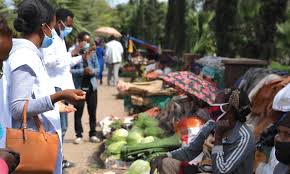
Over a year and a half into the COVID-19 pandemic, there’s still a lot to learn about how the labour market in developing countries is reshaping itself – especially in terms of gender dynamics. Our latest study tracks employment trends in Uganda with both pre- and post-pandemic data.
